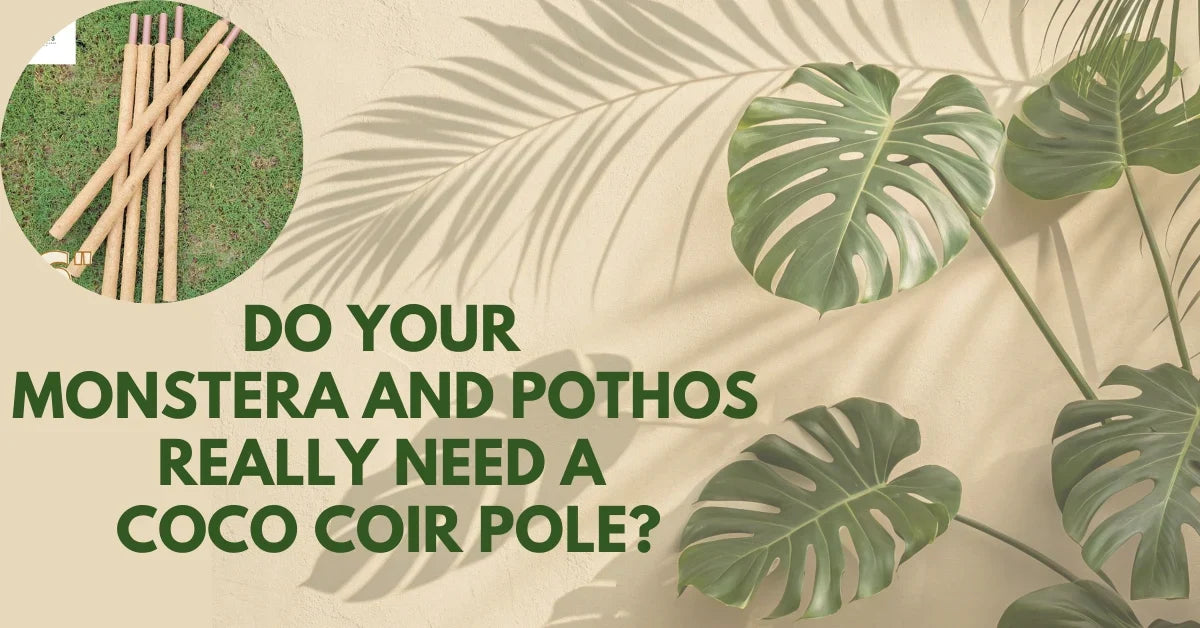
Do Your Monstera and Pothos Really Need a Coco Coir Pole? A Beginner’s Guide to Training Climbing Plants
Highlights / Key Takeaways
- Do Monstera and Pothos actually need a support pole indoors?
- When a coco coir pole improves growth—and when it’s optional
- Benefits of coco coir poles compared to moss poles and stakes
- How coco coir helps aerial roots attach naturally
- Simple, beginner-friendly tips to support climbing plants indoors
Introduction
Monstera and Pothos are often sold as easy, low-maintenance houseplants—but as they grow, many plant owners run into the same question: Do these plants need a pole to climb?
You might notice longer gaps between leaves, weak stems, or vines spreading sideways instead of growing upward. These signs usually mean one thing—the plant is missing the kind of vertical support it naturally relies on.
This guide explains whether Monstera and Pothos really need a coco coir pole, how coco coir pole compares to other supports, and how to use one correctly to train climbing plants indoors without overcomplicating plant care.
Do Monstera and Pothos Actually Need a Support Pole?
Short answer: they don’t need one to survive, but they grow better with one.
In the wild, both Monstera and Pothos are climbing plants. They use aerial roots to attach to tree trunks and grow upward toward light. Indoors, without a support structure, they tend to:
- Grow sideways or trail instead of climbing
- Produce smaller leaves
- Become top-heavy as they mature
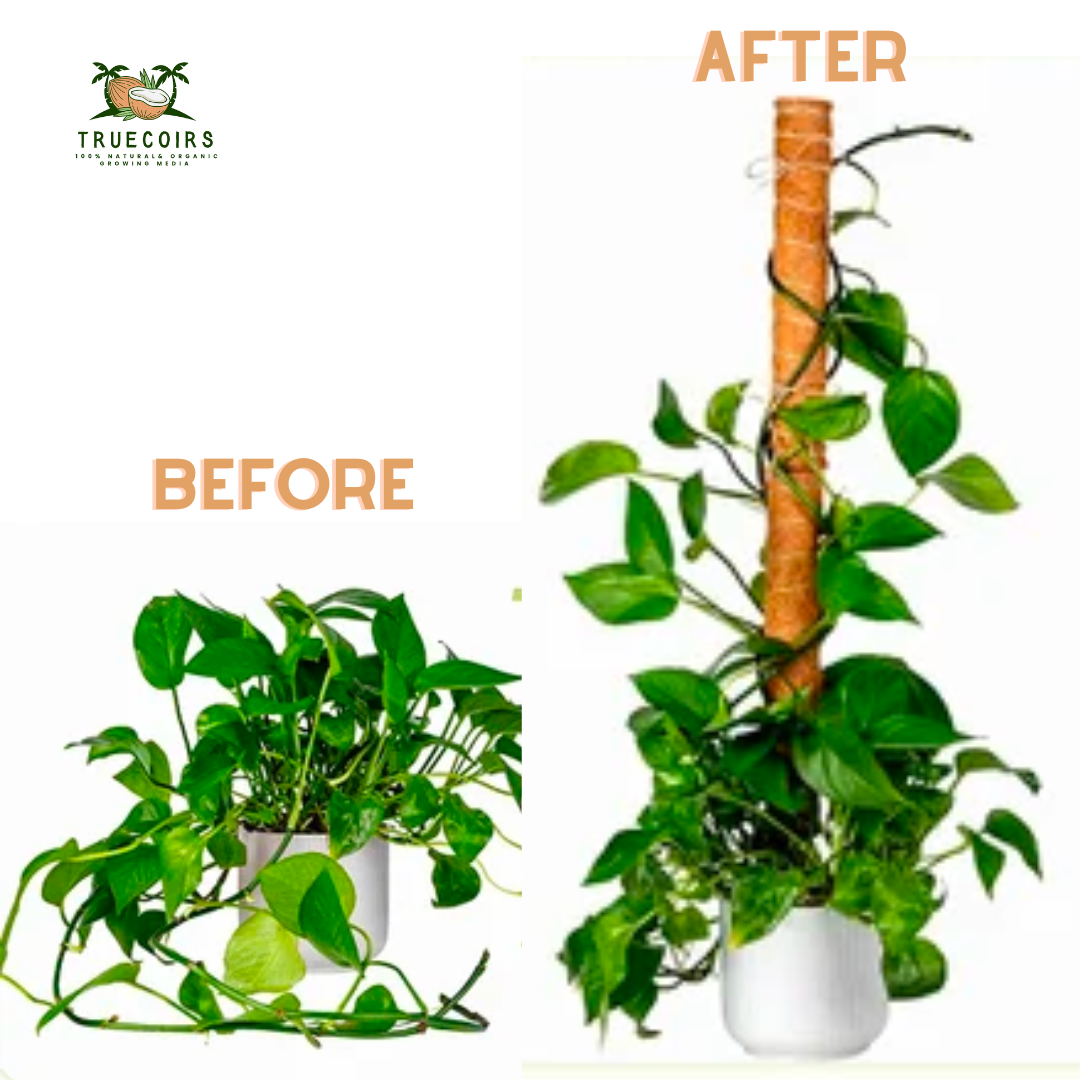
Adding a support pole helps recreate their natural growth habit, encouraging stronger stems and more structured growth.
What Is a Coco Coir Pole and Why Is It Used for Climbing Plants?
A coco coir pole is a vertical plant support wrapped in natural coconut fiber. The texture closely resembles tree bark, which makes it easier for aerial roots to grip.
Unlike smooth stakes or plastic supports, coco coir poles:
- Give roots something to latch onto
- Allow airflow around the stem
- Hold light moisture without staying soggy
This is why coco coir poles are commonly recommended for Monstera, Pothos, Philodendron, and other indoor climbing plants.
What Are the Real Benefits of Using a Coco Coir Pole?
Does a Coco Coir Pole Help Aerial Roots Attach?
Yes. The rough surface of coco coir encourages aerial roots to anchor naturally, reducing the need for constant tying or repositioning.
Can a Coco Coir Pole Improve Leaf Size and Shape?
When Monstera and Pothos grow upward instead of outward, they often produce larger, more mature leaves. For Monstera, this can also mean better leaf splits over time.
Does It Make Indoor Plants Easier to Manage?
Training a plant vertically:
- Saves floor and shelf space
- Prevents vines from tangling
- Keeps the plant balanced as it grows
Is Coco Coir an Eco-Friendly Option?
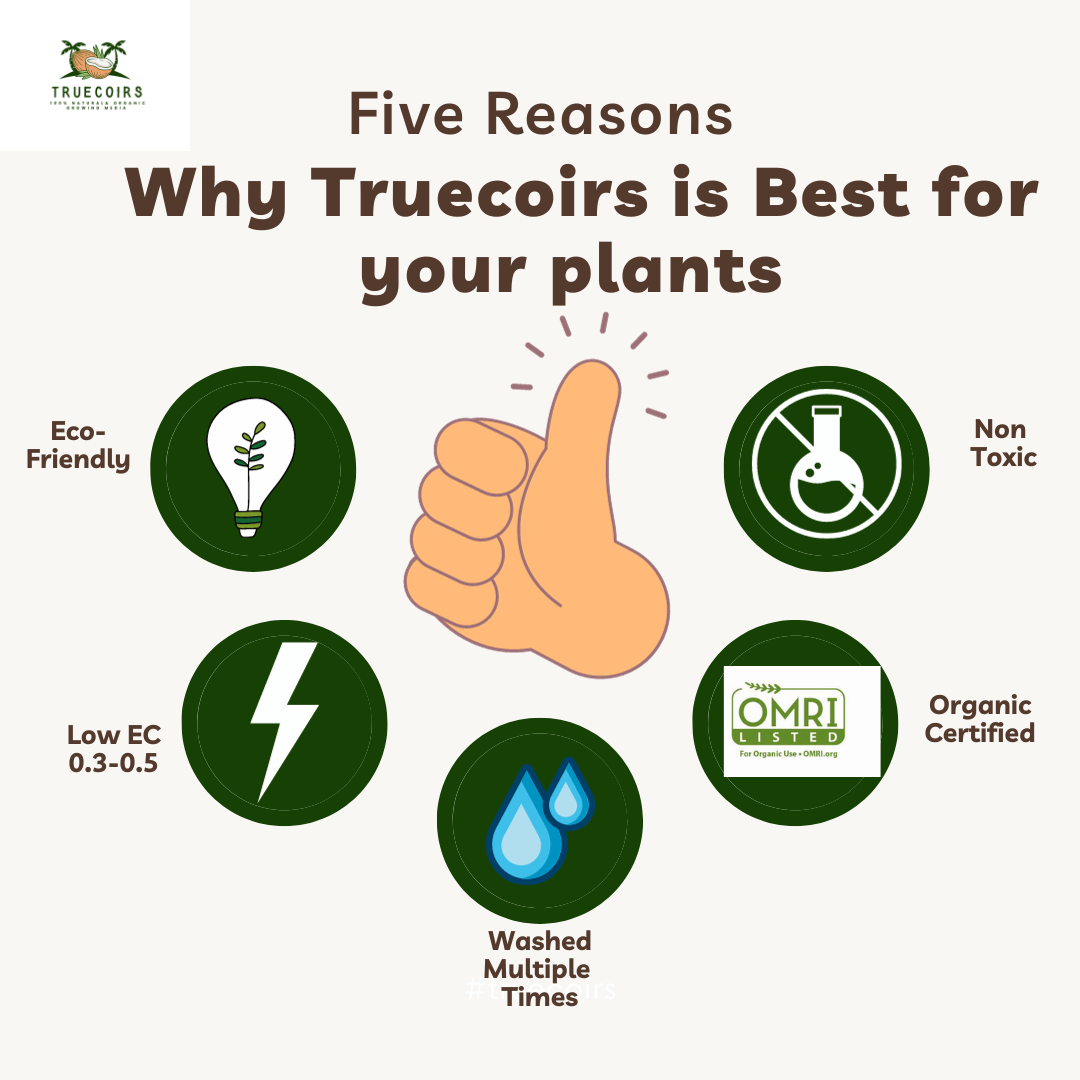
Coco coir is made from coconut husks, a renewable byproduct. It’s biodegradable and doesn’t introduce plastic or synthetic coatings into your soil.
Coco Coir Pole vs Moss Pole: Which One Is Better Indoors?
This is one of the most common questions new plant owners ask.
When Does a Moss Pole Make Sense?
Moss poles work well in very humid environments or for plants that prefer consistently moist roots.
Why Do Many Indoor Growers Choose Coco Coir Instead?
For average indoor conditions, coco coir poles:
- Require less misting
- Dry more evenly
- Hold their structure longer
For most Monstera and Pothos owners, a coco coir pole is easier to maintain and more forgiving, especially in homes without high humidity.
Explore TrueCoirs’ coco coir solutions designed specifically for
Can Monstera or Pothos Grow Without a Coco Coir Pole?
Yes—but growth is usually less controlled.
Without a pole:
- Stems may stretch toward light
- Leaves stay smaller
- Plants need more pruning to stay tidy
If your goal is a fuller, upright plant, adding a support early makes training easier. For a broader breakdown of support options, readers can explore guides on how to choose the right support for climbing houseplants, which compare poles, trellises, and stakes in more detail.
How Do You Support Climbing Plants Indoors the Right Way?
How Tall Should a Coco Coir Pole Be?
Choose a pole close to the plant’s current height, with room to extend later if needed.
How Do You Attach the Plant Without Damaging It?
Use soft plant ties or garden Velcro. Secure the stem loosely so it can adjust as it grows.
Should You Keep the Coco Coir Pole Wet?
Light misting helps aerial roots attach, but the pole should never stay soaked. Coco coir performs best when slightly damp, not dripping.
When Should You Upgrade or Extend the Pole?
Fast growers like Monstera often outgrow their first pole. Modular coco coir poles make it easy to extend support as the plant matures.
Conclusion
So, do Monstera and Pothos really need a coco coir pole? Not strictly—but if you want healthier growth, stronger stems, and better leaf development, a coco coir pole makes a noticeable difference.
By supporting how these plants naturally grow, you reduce maintenance and improve long-term structure. For indoor gardeners who want climbing plants to grow upward—not outward—a coco coir pole is one of the simplest upgrades you can make.
FAQs (Optimized for Featured Snippets & AI Overviews)
Do Monstera plants really need a coco coir pole?
Monstera plants don’t need a coco coir pole to survive, but they grow better with one. A pole supports vertical growth, stronger stems, and larger, more mature leaves indoors.
Do Pothos need a coco coir pole or can they trail?
Pothos can trail without a pole, but a coco coir pole helps them climb upward, keeps growth controlled, and encourages healthier leaf spacing and structure.
What are the benefits of a coco coir pole compared to other supports?
Coco coir poles provide a rough, natural surface for aerial roots, require less maintenance than moss poles, and are more breathable than plastic or wooden stakes.
Is a coco coir pole better than a moss pole for indoor plants?
For most indoor environments, coco coir poles are easier to manage. They don’t need constant misting, dry evenly, and still allow aerial roots to attach naturally.
Can climbing plants grow indoors without a support pole?
Yes, climbing plants can grow without a pole, but they often spread sideways, produce smaller leaves, and need more pruning. A support pole helps guide natural growth.
How do you attach Monstera or Pothos to a coco coir pole?
Use soft plant ties or Velcro to gently secure the stem to the pole. Avoid tying too tightly so the plant can adjust as it grows.
Should you keep a coco coir pole wet?
A coco coir pole should be lightly moist, not soaked. Occasional misting helps aerial roots attach, but overwatering can lead to rot or mold.
Are coco coir poles eco-friendly?
Yes. Coco coir pole is made from coconut husks, a renewable byproduct, making it a sustainable and biodegradable option for indoor plant support.
